It’s Grand Ol’Bargain
For Canada’s fossil-fuel companies

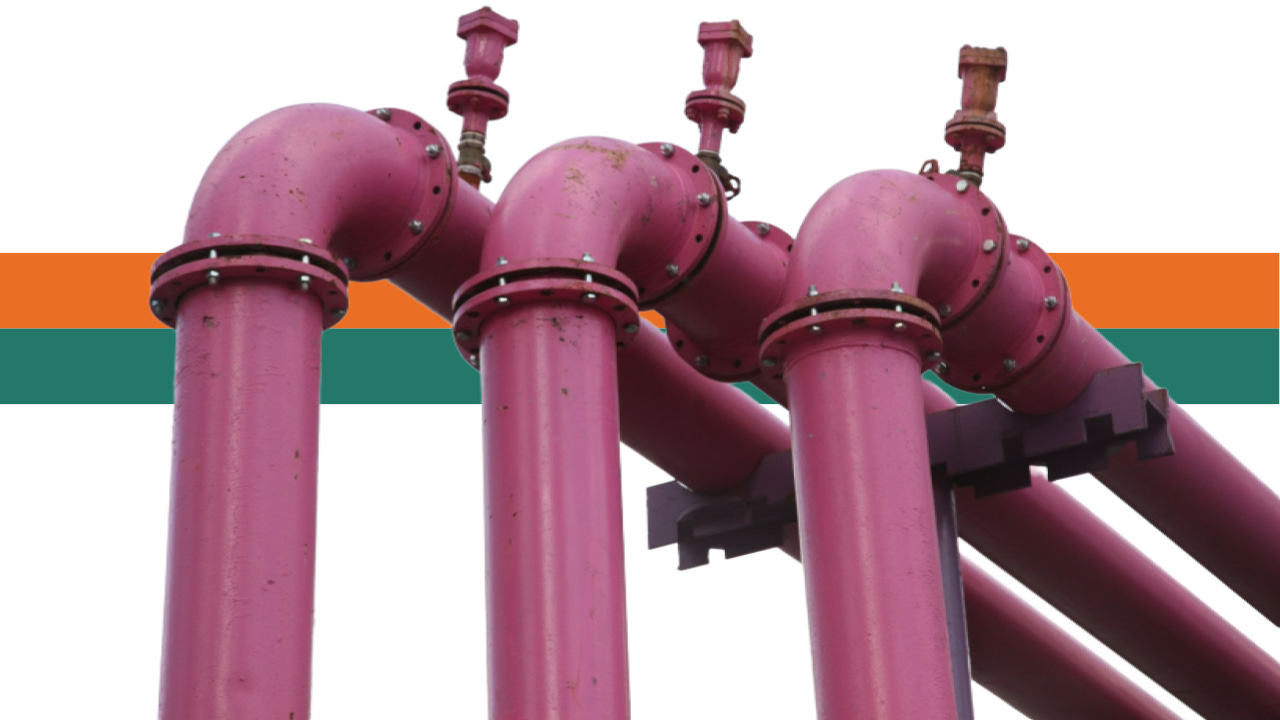
Just over two weeks ago, our PM Mark Carney - a climate advocate in the past - announced that he supported a new pipeline to allow for the massive expansion of the Alberta oil sands. In addition to being disastrous from a climate perspective, the pipeline passes across the Rocky and Coast mountains and through the pristine Great Bear Rainforest. It requires the lifting of the existing tanker ban against tankers in the dangerous waters of the Hecate Straight. What’s more, the suggested pipeline would carry diluted bitumen which is both extremely toxic and extremely difficult to clean up - a spill would poison the rich fishing grounds for a generation. It’s no wonder the Coastal First Nations, reliant on an economy and traditions built on the rich ocean bounty, are adamantly opposed.
Canada’s government called this a “Grand Bargain” - although the other elements of the agreement are no bargain either, weakening methane emissions standards, accepting the use of CO2 for enhanced oil recovery, and the elimination of progress on clean electricity in Alberta. Except for an agreement to slightly raise the industrial price on carbon, it’s a complete giveaway to the fossil fuel industry, which doesn’t need or deserve it. Over the past five years, Canada’s fossil fuel giants have been increasing production, missing climate targets, making record profits - and eliminating jobs. This is not a climate solution; it’s a political decision designed to secure a new bitumen pipeline to the Pacific in order to dramatically expand the production of fossil fuels and create yet more massive profits for the largely foreign shareholders of Canada’s fossil fuel companies.
The Carney government is defending this pipeline as if it’s some unavoidable act of national strategy, a way to escape dependence on the U.S. at a moment when Trump’s tariffs are rattling trade. They argue that a pipeline that has a Pacific outlet would finally let Canada ship oil directly to Asian buyers instead of relying almost entirely on the American market (somehow ignoring the fact that Canada just spent 35 billion dollars to build a pipeline to the coast, but further south).
But that logic treats fossil expansion as the only imaginable form of economic resilience. It assumes the answer to geopolitical volatility is more long-lived carbon infrastructure. Announced just days after a COP where the world split over phasing out fossil fuels. Carney calls it economic sovereignty and a bridge to a clean-energy future. But it’s far more like doubling down on yesterday’s economy, locking in emissions and risk, instead of accelerating the transition Canada claims to want to lead.
The pipeline isn’t just about moving bitumen. It’s about markets, profits, global energy demand, and about what kind of future Canada intends to fight for. And this pipeline will have impacts far beyond Canadian borders: cities across the globe - and the people who live in them -will feel the ripple effects of each drop extracted. We are already seeing the impact in several Canadian cities, who, taking a cue from Ottawa, are resiling from their own climate commitments - notably led by Vancouver and its Mayor Ken Sim, who literally employs a fossil fuel lobbyist in his office.
Pipeline proponents claim fears of an accident are overblown. Ten years ago, on a trip through the Great Bear Rainforest, the captain of a boat taking us to visit Hartley Bay, the home of the Gitk’a’ata First Nation, expressed support for the pipeline. When pressed about risk, he said “they will have pilots like me. I have lived here my entire life and know these waters like the back of my hand.”
It’s about a two hour trip by water, and about an hour and a half in we noticed that the boat was going in a circle. The Captain admitted he was lost, and had to radio Hartley Bay for assistance.
A bit like Canada’s climate policy right now - lost, and going in circles.
David Miller
PS. for additional perspective on this issue, you can hear Catherine McKenna, Canada’s former Minister of Environment and Climate Change on Cities 1.5 very first “hot takes” - a short podcast on an urgent issue, available on all your favourite podcast players here.
What we are reading
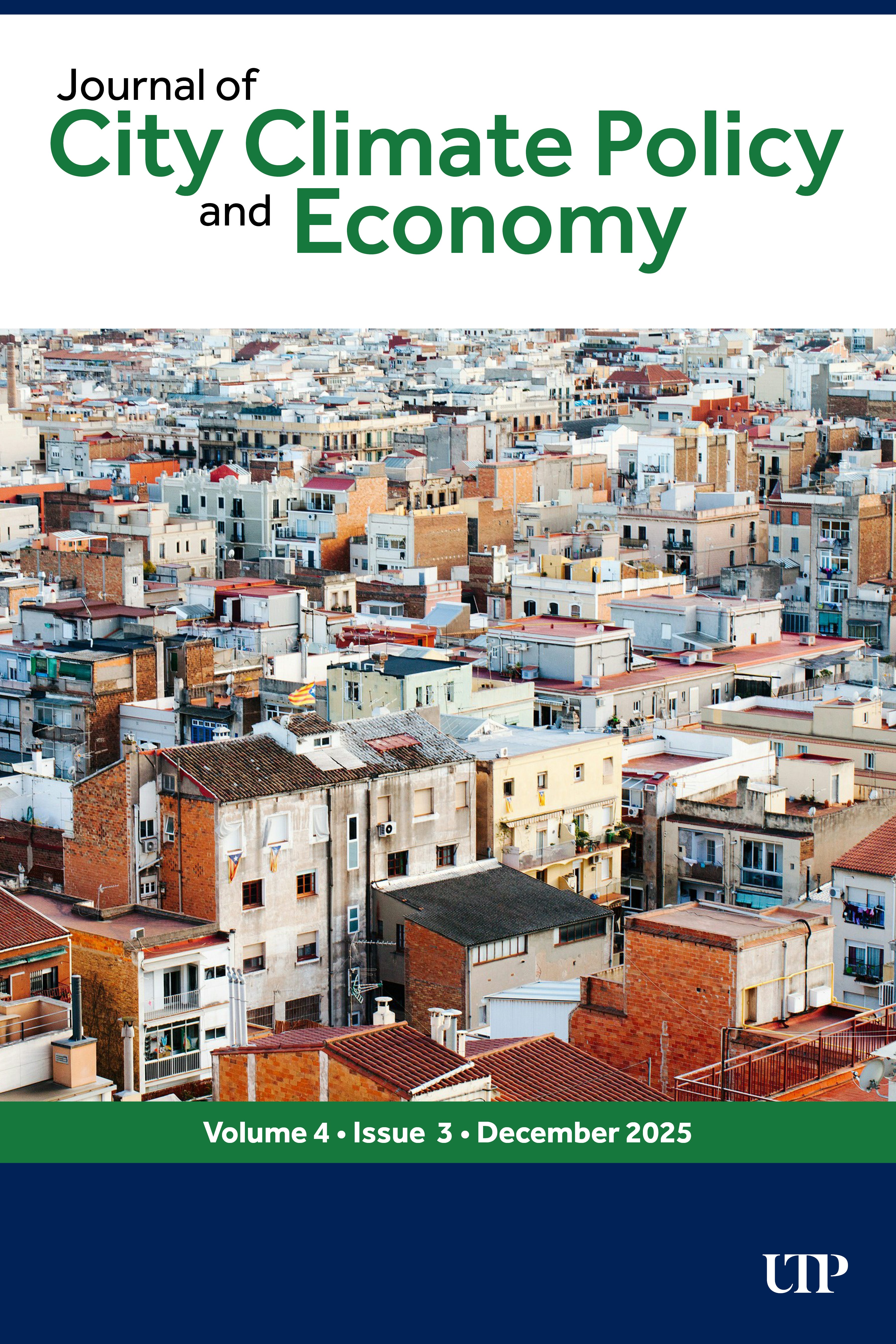
The C40 Centre’s brand new issue of the Journal of City Climate Policy and Economy featuring research on climate-neutral construction, just transition strategies, and innovative finance mechanisms for adaptation and more.